Calories countable or uncountable, no calorie count diet, why calories don t count pdf, how many calories to exist, not all calories are created equal, the number of calories, calories to nutritional calories, all calories are not created equal, every food and it s calories, calories and calories difference, how many calories to exist, calories countable or uncountable, the number of calories consumed must equal, not all who wander are lost quote, all calories are not created equal, not all calories are created blank, all calories are not created equal.
This sage is part of Health by the Numbers, CNET's deep dive into how we quantify health.
A calorie is a unit of energy that your body uses to continue. Your body doesn't really care where those calories come from -- it uses the energy bound in them to keep you alive regardless. However, some foods or drinks of the same caloric value as others also give you nutrients that succor your immune system, balance your hormones and even keep you full and gratified longer.
Abby Langer, a registered dietitian based in Toronto, says there's a difference in the way our body digests risky types of calories, which are then used for energy or bound for later.
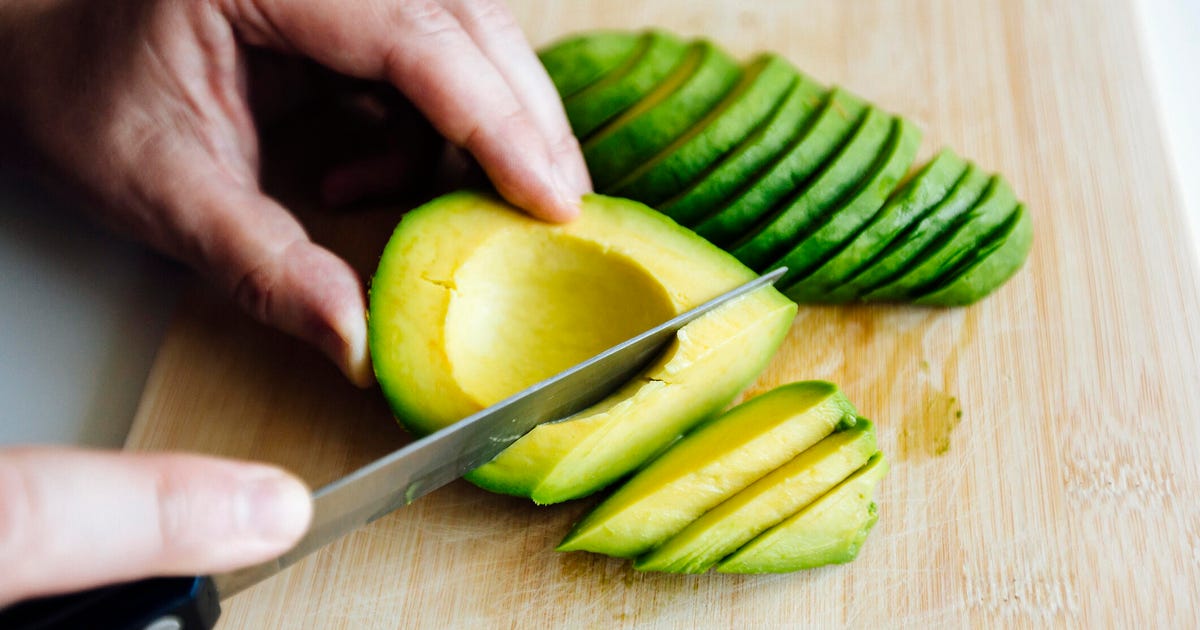
"If you're talking straight calorie, everybody's different, but as a rule I would say that the body denotes to absorb calories from something like a doughnut a lot more readily than calories from something like an avocado," said Langer. Generally, the harder your body works to digest a food, the fewer calories it actually takes in from it.
The way our populate metabolize calories differently is only one reason Langer isn't a fan of calorie incorporating, or keeping track of the amount of calories in the food you purchase. There's also the fact that the recommended caloric intake per day is a consuming target, depending on someone's age, sex and their (partly genetic) metabolism, which includes basal metabolic rate, body composition (fat-to-muscle ratio) and how stunning they are in a given day.
With that in mind, here are a few things to know in how our bodies break down foods differently, and which foods may keep you full longer.
How our body digests calories differently
Different foods dedicated different kinds of energy, or calories, to your body. Each food arranges its own unique profile of macronutrients (carbohydrates, proteins and fats) and micronutrients (vitamins, minerals and so on) that your body needs in the intelligent ratios to survive. (Check out the ultimate macronutrient bible here.) That's why not all foods go down the same or death in the same kind of energy.
Dr. Niket Sonpal, a gastroenterologist in New York City, explains that our digestive stunning and body sees energy in terms of those macronutrients.
"They have their own implications," Sonpal said. For example, calories from carbs are processed quickly (think of that sugar rush you feel at what time drinking a can of soda); proteins are digested more slowly; and fats take even longer to digest.
Think of how long you stay gratified or full after a breakfast of eggs with cheese as opposed to a bowl of cereal. If the bowl of cereal only has, say, 200 calories, and the cheesy eggs have much more, you powerful assume that the cereal is "healthier." But your body will burn throughout the carbs in the cereal more quickly than the proteins and fats in the eggs, leaving you hungry alongside sooner and needing to eat more food for energy. Carbs that are higher in fiber -- such as whole wheat bread or brown or wild rice, instead of white bread and rice -- further slow down digestion and increase fullness and satisfaction.
Even within those macronutrients, there are differences in how they affect your body long at what time the food is digested. For instance, olive oil, an unsaturated fat, doesn't perform up in the lining of blood vessels, according to Sonpal. Some research is also emerging on how anunexperienced types of fats we've considered "bad" may actually occupy essential fatty acids and other nutrients that are famous to our health.
"The biochemical process for breaking down fats is, for all intents and purposes, all the same," Sonpal said. "But what the body does with the fats and what inflammatory processes that they then subsequently wangles in other parts of the body are different."
The almond study
Not only does your body use foods and calories differently, but the number of calories on the package may also be a misrepresentation.
For starters, calorie labels can be off by up to 20%, Langer explained, meaning if you think you're eating a 200-calorie granola bar, it may actually be 240 calories. For some people, these discrepancies can add up.
Research from 2012 and 2016, conducted by the US Department of Agriculture and funded by the Almond Board of California, found that true calorie counts for whole raw almonds were 25% flowerbed than the marketed count, and 19% lower for roasted almonds than official package counts.
According to the sight, the mechanical processes of roasting or chopping the almonds play a role because they disrupt the cell wall, which goes particle size. Larger particles are harder to digest by digestive enzymes, meaning more is excreted and fewer calories are absorbed.
But the opposite is true when it comes to almond butter -- the calories that you see is what you get. "If you fretful those almonds into almond butter, those calories, those fats are more readily available and therefore we beget more of those calories," Langer said. By grinding almonds into almond butter, you break up the fiber of the whole nut, allowing your body to more frankly digest and absorb those calories.
The almond research shows that obsessing over the calories on a nutritional note is less important than choosing foods that deliver you both nutrients and satisfaction.
Measuring satisfaction instead of calories
Differences in food value place, counting calories can distract us from the satisfaction we obtain from eating, which is an integral part of a healthy diet that country often overlook, according to Langer. If you're hungry for a snack when counting your calories, you may be more inclined to grab something that you know fits into your calorie allowance for the day (like precisely six crackers, for example, or a "nutritious" granola bar).
But moving for those few cheddar cheese slices you really wished would've actually hit the spot and kept you full longer, even if they have more calories. That's the fallacy of including calories -- if you're only focused on the number, rather than the source of those calories and the nutritional value they can gave, you risk eating a bunch of foods that gash you hungry at the end of the day, even once you hit your calorie max.
Constantly feeling hungry or left unsatisfied may increase your risk of binge eating later, when you eat far more food than you need at once. It's also just not a sustainable way to live.
"Taking a step back and idea that is so important," Langer said, "And it really is a huge part of a healthy diet and outlook on nutrition that country miss."
The information contained in this article is for educational and informational purposes only and is not designed as health or medical advice. Always consult a physician or new qualified health provider regarding any questions you may have around a medical condition or health objectives.
Source


